
One system, every sector
Every participant reads and writes the same job order, dispatch and evidence. What changes between industries is the cargo, the route and the compliance that binds them.
- CustomersBilled on contract terms
- Dispatch and operationsTurn orders into moving trucks
- DriversCapture evidence in the cab
- Fleet and workshopKeep vehicles fit to work
- Compliance and financeRegulators, invoices, cash
- TransportersOutsourced capacity
- AdministratorsRoles, users, the operator console
- IntegrationsERP, waybills, telematics
Sectors on the platform
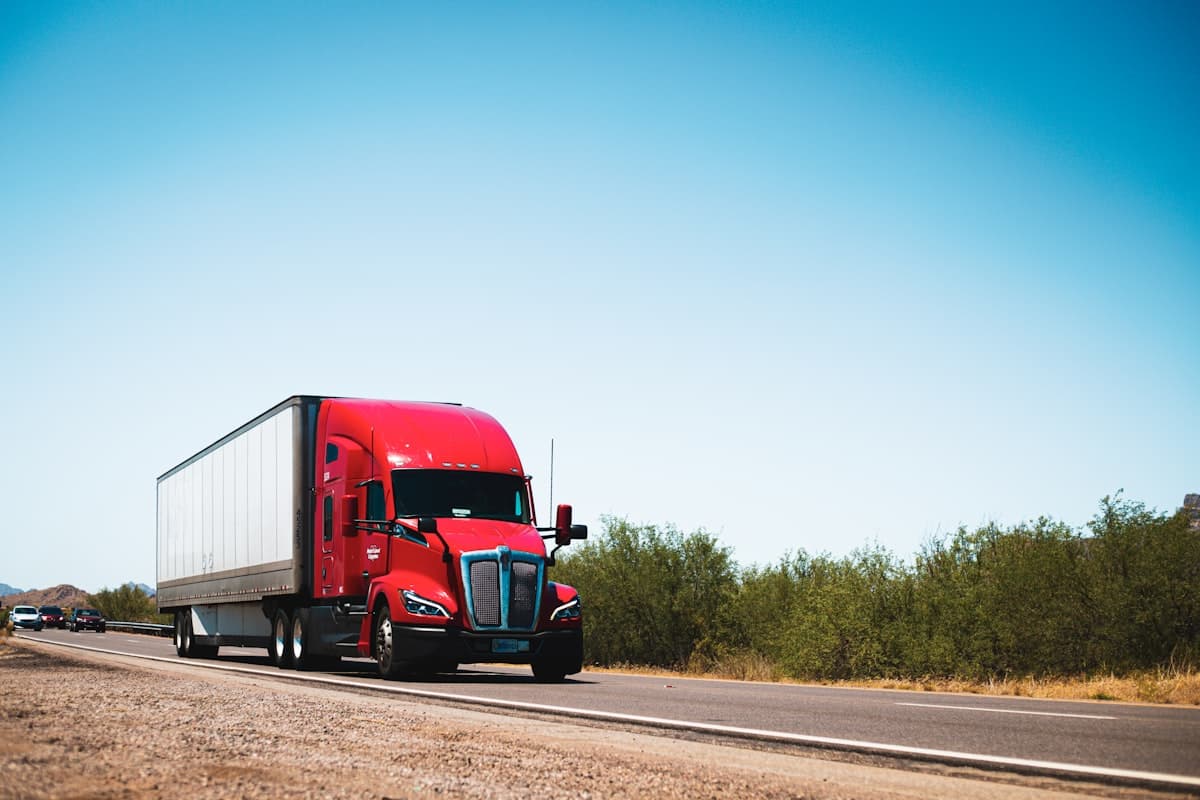
Trucking and logistics
General road freight across the Kingdom. Single and multi trip job files, contract rate cards, and the attribution ledger that settles who owns the lateness.
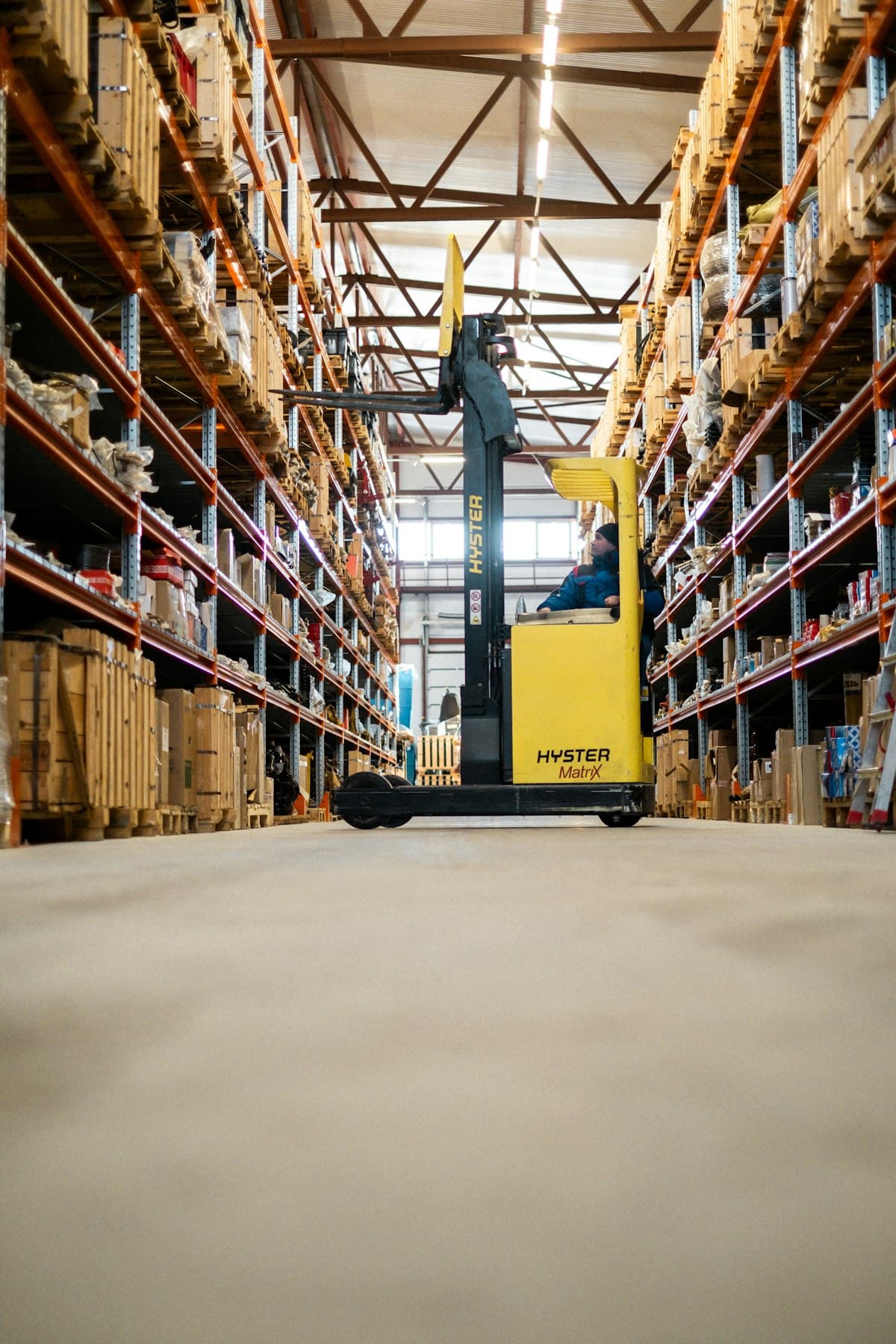
Distribution
High frequency movements against standing contracts. Duplicate a trip or a whole job file rather than keying the same weekly run from scratch.

Construction
Yard equipment and heavy units alongside the road fleet, with the restriction windows that govern when a heavy vehicle may move.

Car carrier
Cargo lines that matter individually. Damage is recorded against the line with cause and liability, and it travels to the invoice.

Oil and gas
Hazmat and Civil Defence obligations as blocking compliance requirements, with the walk around release gate ahead of every dispatch.

Last mile
Proof of delivery by signature or OTP, captured in the cab and attached to the record that becomes the invoice.
What changes, and what does not
There is no vertical edition of this product, and a page promising one would be selling six half-built systems instead of one finished one. What differs is the cargo, the route and the rules — and all three are data, not code.
Changes by sector
- The cargo, and what counts as damage to it
- The route, the crossings and the restriction windows on it
- Which compliance requirements block a dispatch
- Whether one movement is a trip or a file of legs
- What a customer expects on an invoice line
- Which reports the operation reads every morning
The same in every sector
- One record from booking to invoice
- Assignment refused for an unfit vehicle, driver or document
- Evidence captured in the cab and carried to the invoice
- Delay measured as spans and attributed to a party
- A bilingual ZATCA invoice raised from what happened
- An audit trail that is added to and never edited
What each sector leans on hardest
The whole platform is in every workspace. These are the areas a sector actually lives in, and the ones worth looking at first in a demonstration.
Trucking and logistics
Distribution
Construction
Car carrier
Oil and gas
Last mile
Cargo the record understands
A movement is not a single number on a manifest. Cargo lines carry their own identity so damage, weight and liability attach to the thing they happened to.
Container and trailer loads
One file with child legs. A port pull, a yard stop and a delivery are separate movements against one commercial order.
Individually identified units
Vehicles, plant and high-value goods recorded as lines. Damage attaches to the line with a cause and an owning party.
Bulk and palletised freight
Weight and quantity against the order, with the loading and unloading time measured as spans rather than estimated.
Regulated and hazardous goods
Requirements that block a dispatch rather than warn about one, with the walk around release gate ahead of every movement.
The obligations that decide whether a load moves
Thirty-one requirements are seeded in a new workspace. Which ones block a dispatch depends on the sector, the cargo and the city — and the platform treats them as objects rather than as fields somebody is supposed to check.
Vehicle and operator registrations
Istimara, authority registrations and operating permits, each with a validity date the dispatch board reads.
Driver eligibility
Licence class, iqama validity and the designation that grants driving. An expired one stops the assignment, not the trip.
City movement restrictions
Windows during which a heavy vehicle may not move, modelled per city and linked to the hold they cause.
Cargo-specific obligations
Hazmat, Civil Defence and cold chain requirements attached to the cargo rather than to the vehicle that happens to carry it.
When the capacity is not yours
Most operations of any size run some work on somebody else's trucks. Outsourced capacity is a first-class part of the record rather than a spreadsheet beside it.
Transporters as counterparties
A transporter has terms, rates and documents in the same way a customer does, and work assigned to one is still on your board.
The same evidence standard
Proof of delivery and trip events are expected from outsourced work as they are from your own, or the invoice has nothing behind it.
Cost against revenue per movement
What the movement earned and what it cost to buy in are on the same record, so the margin is visible per job rather than per month.
What a first month looks like
A workspace opens seeded. The work is loading your own operation into it, and it goes in this order.
Fleet and people
01Vehicles, trailers, drivers and their documents. This is what the dispatch board reads when it decides whether an assignment is allowed.
Customers and contracts
02Counterparties with their rate cards for transportation, clearance and storage, so the first order prices itself.
First dispatches
03Real movements on the board, with the driver application in the cab and evidence coming back against the order.
First invoice run
04Completed work queued, priced from the snapshotted rate, and raised as a bilingual ZATCA invoice.